
Prostate cancer will affect roughly one in eight men in the United States at some point in life, and it remains one of the leading causes of cancer death among men worldwide. That burden does not fall evenly. Men in a number of Indigenous and rural communities are diagnosed later, at more advanced stages, and are more likely to die of the disease than men in wealthier or more urban populations.
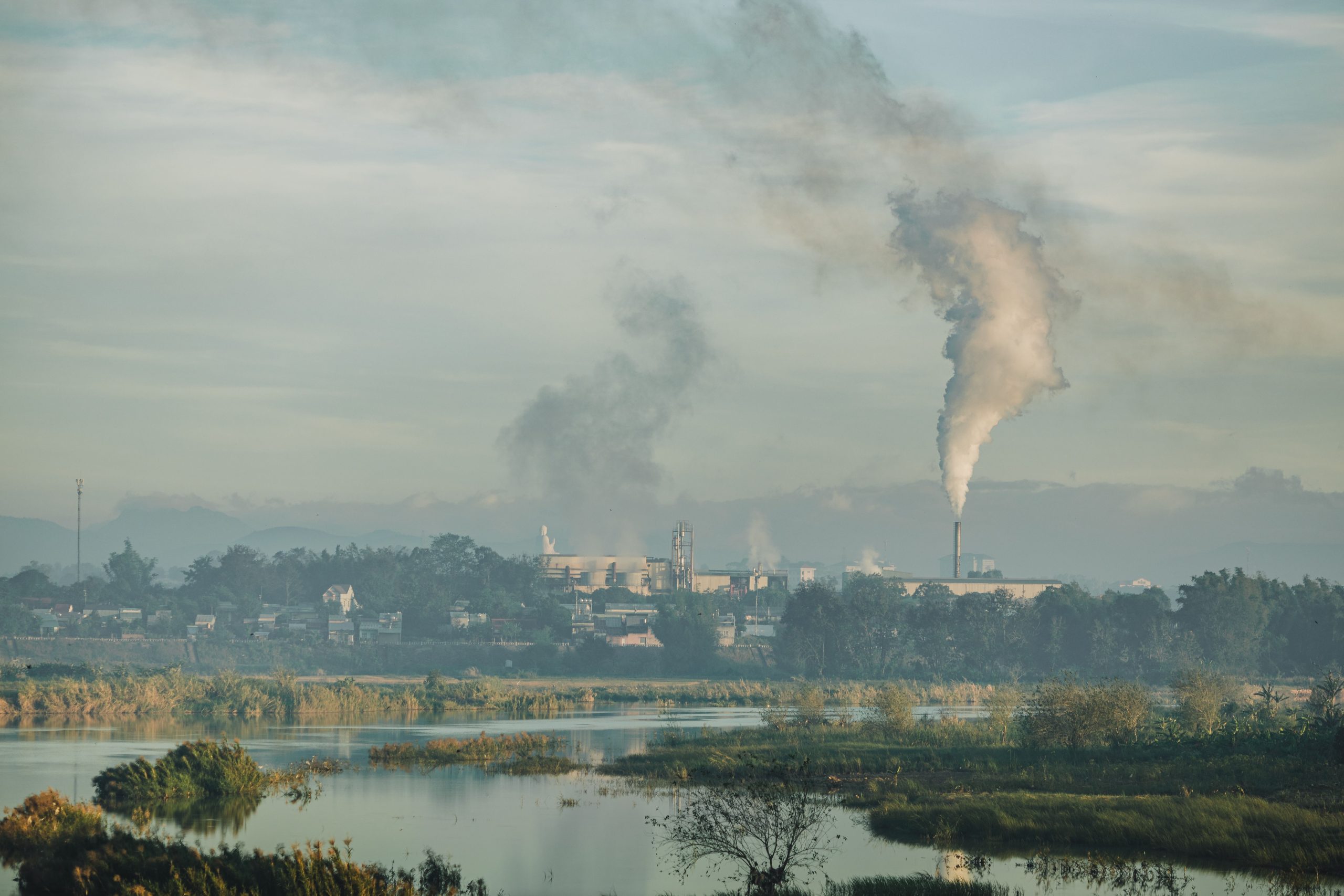
Pollution is often named as the reason. Air pollutants, agricultural pesticides, and contaminated water and land do appear in the research on prostate cancer, and some of the associations are consistent across very large studies. But the science is more qualified than a headline usually allows, and the disparities themselves have at least two distinct causes that are easy to blend into one.
What follows is a look at what the evidence supports, where it is thin, and why “higher risk from pollution” can be a misleading shorthand.
Start with the risk factors that are actually established
Anything said about environmental exposure sits on top of a baseline that is already well documented. The risk factors with the strongest evidence are age, ancestry, and family history, none of which a man can change.
Age is the dominant factor. Prostate cancer is rare before 40, and incidence climbs sharply with each decade after that. The National Cancer Institute estimates the lifetime risk for men in the United States at about one in eight, and describes the disease as highly heritable: inherited factors account for up to roughly 60% of risk, through a mix of common genetic variants and rarer high-risk genes such as BRCA2.
Ancestry matters too. Black men, who predominantly have West African ancestry, face the highest incidence and mortality in the United States, at about 191.5 cases and 37.2 deaths per 100,000 men, compared with 114.5 and 18.1 for White men. Family history raises risk further, especially when a first-degree relative was diagnosed before age 65.
Knowing this baseline prevents two errors at once: treating pollution as the whole story, and dismissing it because genetics supposedly “explains everything.” Neither holds up.
What the pollution research shows, and what it cannot yet prove
Study by study, the signals are real and fairly consistent. A 2025 analysis of 210,722 men in the UK Biobank, followed for a median of about 11 years, found that long-term exposure to fine particulate matter (PM2.5), coarse particles (PM10), nitrogen oxides, and benzene was associated with a higher risk of prostate cancer. Each interquartile-range increase in PM2.5 corresponded to roughly a 12% higher hazard. A separate nationwide cohort of more than 425,000 men in Taiwan reported associations across seven pollutants, with the largest effect for carbon monoxide.
The context is that almost everyone breathes polluted air. The World Health Organization estimates that in 2019, 99% of the world’s population lived in places where its air quality guidelines were not met, and that ambient air pollution contributed to about 4.2 million premature deaths that year.
Pesticides show a similar pattern. An environment-wide association study published in 2024 screened 295 agricultural pesticides against county-level prostate cancer rates and found 22 with consistent positive associations across two time periods; four were also associated with mortality. Earlier work, including the long-running Agricultural Health Study, linked specific organophosphate and organochlorine insecticides to prostate cancer, particularly aggressive disease.
The biological rationale is plausible rather than proven. Fine particles and some pesticides can promote oxidative stress, chronic inflammation, and DNA damage, all processes implicated in cancer. Some agricultural chemicals can also interfere with hormone signalling, and prostate tumours are hormone-sensitive.
What none of this establishes is causation. These are observational studies. They estimate exposure from residential addresses or county-level use, which is imprecise, and they cannot fully separate pollution from the many other conditions that travel with it, including income, occupation, diet, smoking, and access to health care. The careful summary is that long-term pollution exposure is associated with modestly higher prostate cancer risk, and the evidence is stronger for some pollutants than others.
A cluster of exposures, not a single source
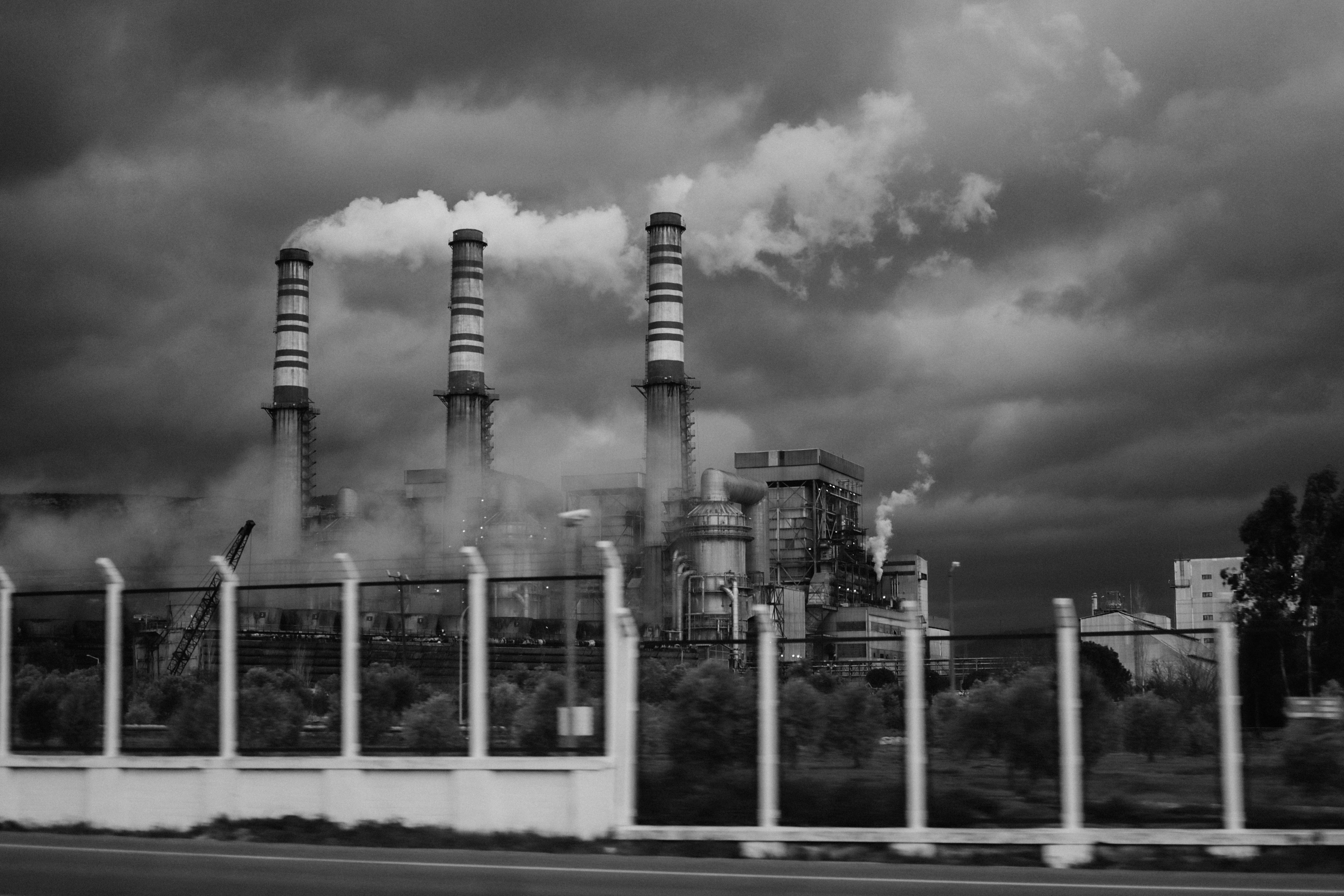
For many Indigenous communities, the relevant point is not one pollutant but the accumulation of several. Communities located near mining, oil and gas development, industrial sites, or major transport corridors may face higher ambient air concentrations alongside contaminated water, soil, or traditional foods. When exposure is measured as a lifetime total rather than a single chemical, the picture changes.
Geography already shapes the data in visible ways. The Centers for Disease Control and Prevention reports that American Indian and Alaska Native men have lower prostate cancer incidence than White men in most regions, but higher rates in the Northern Plains and Southern Plains. That regional split is difficult to explain by genetics alone, and it points toward environment, screening, and access to care.
A 2022 analysis in the journal Environmental Research added a striking detail. When researchers sampled the periprostatic fat tissue surrounding the prostate, they found persistent organochlorine pesticides in men from both mainland France and the French West Indies, but the specific compounds present differed by region, reflecting local food sources and agricultural history rather than individual behaviour alone.
Rural life adds pesticides, dust, and diesel
Rural communities carry their own exposure profile. Agricultural pesticides applied to nearby fields can drift into homes; wells and surface water can carry residues; and windblown dust from fields and roads adds to particulate loads. Diesel from farm equipment and long commutes is another source.
A 2025 study of Nebraska men found that rural patients were diagnosed with prostate cancer about 3.1 years younger and died of it roughly 4.2 years younger than urban patients. The authors noted that rural populations are exposed to distinct environmental hazards, and that research in places such as California’s Central Valley has linked residential proximity to certain pesticides, including methyl bromide and some organochlorines, with higher prostate cancer risk.
Historically elevated prostate cancer mortality in the U.S. Northern Plains states has been associated with crop patterns and agricultural chemical use in ecological studies going back decades. Those designs cannot prove that a specific chemical caused a specific cancer, but they keep pointing in the same direction.
Then there is the part that has little to do with pollution
If exposure were the entire explanation, the fix would be straightforward. It is not, because the strongest and most consistent disparity in these populations is not incidence. It is stage at diagnosis and survival.
Consider the data from Alberta, Canada. In a study covering prostate cancer diagnoses from 1995 to 2022 in Alberta, Canada, First Nations men were diagnosed younger than non-First Nations men (about 65.8 vs 67.8 years), were more likely to present with Stage IV disease (17.8% vs 12.2%), and had higher age-standardized prostate cancer mortality (41.5 vs 30.1 per 100,000).
Screening tells part of the story. An Alberta analysis found that men in Indigenous communities were substantially less likely to receive PSA testing than men elsewhere, even after accounting for rural residence, roughly a 50% relative reduction over a four-year window. When a cancer is found only after symptoms appear, it has had more time to grow.
The pattern repeats in U.S. data. CDC surveillance shows that distant-stage prostate cancer, meaning disease that has already spread, rose from 4% of cases in 2003 to 8% in 2017. American Indian and Alaska Native men are more likely to be diagnosed with high-risk disease and less likely to receive definitive treatment, and they have experienced the smallest decline in prostate cancer mortality of any major racial or ethnic group.

How the picture differs across populations
The table below collects several of the figures cited above. The clearest pattern is not that Indigenous and rural men develop more prostate cancer. In many datasets they do not. It is that they tend to be diagnosed later and to die sooner.
| Population | Metric | Figure |
|---|---|---|
| First Nations men, Alberta, Canada (1995–2022) | Age-standardized prostate cancer mortality | 41.5 vs 30.1 per 100,000 (non-First Nations) |
| First Nations men, Alberta, Canada (1995–2022) | Stage IV disease at diagnosis | 17.8% vs 12.2% |
| American Indian / Alaska Native men, United States | Prostate cancer mortality vs White men | About 31% higher, despite lower overall incidence |
| Rural men, Nebraska (1991–2023) | Age at diagnosis and death | Diagnosed 3.1 years younger; died 4.2 years younger than urban men |
| Men in the UK Biobank cohort | Prostate cancer risk per interquartile rise in PM2.5 | Hazard ratio 1.12 (95% CI 1.08–1.16) |
Sources: Cancer Medicine (2025); the Alberta First Nations prostate cancer outcomes analysis (2025); American Cancer Society cancer statistics for American Indian and Alaska Native individuals (2022); the UK Biobank air pollution cohort study (2025). Figures are rounded; see the cited studies for confidence intervals and methods.
What would actually narrow the gap
Two levers matter, and they operate at different levels.
The first is timely detection. Guideline bodies recommend that men discuss PSA screening with a clinician and individualise the decision, with earlier conversations for those at higher risk. In communities far from urologists and laboratories, that discussion is easier to recommend than to deliver. Culturally safe care, patient navigators, mobile screening, and community health workers are the interventions most often studied for closing that distance.
The second is reducing exposure. Air quality regulation, pesticide rules, cleaner transport and energy, and remediation of contaminated sites all affect the pollution side of the equation, though their payoff for cancer rates would be measured in decades, if at all.
Environmental and public-health questions also increasingly play out in the legal system. How pollution-related claims proceed depends heavily on the jurisdiction, the specific evidence, and the applicable law. Outlets such as Law360 maintain related coverage of how such environmental matters develop.

Where the evidence is still unsettled
The most important counterpoint in this literature is that access, not biology or pollution, may explain most of the excess mortality. In a 2023 analysis of national registry data, researchers found that American Indian and Alaska Native patients presented with more advanced disease and had the highest five-year prostate cancer-specific mortality of any group. After adjusting for clinical factors, county demographics, and the density of urologists and radiation oncologists, however, the mortality difference was no longer statistically significant.
That finding does not erase environmental exposure as a concern. It does mean that, on the current evidence, delayed diagnosis and unequal treatment account for a substantial share of the disparity, and that the two explanations are not mutually exclusive. A man who breathes polluted air and waits three years longer for a diagnosis faces both risks at once.
Several questions also remain open. Do specific pollutants act more strongly in some populations? Rural and Indigenous exposure is measured with coarser geographic tools than urban exposure, which may hide real effects. And because prostate cancer grows slowly, studies need long follow-up to detect pollution’s contribution. Those gaps are worth stating plainly rather than papering over with confident conclusions.
Frequently asked questions
Does air pollution cause prostate cancer?
Current evidence shows an association, not an established cause. Large cohort studies link long-term exposure to fine particles and nitrogen oxides with modestly higher prostate cancer risk, but those designs cannot rule out other explanations. The established risk factors remain age, ancestry, and inherited genetics.
Are Indigenous men more likely to get prostate cancer?
Not necessarily. In several datasets, American Indian and Alaska Native men have lower incidence than White men overall, but higher rates in some regions such as the Northern and Southern Plains, and higher mortality and later-stage diagnosis across the board.
Why are rural men diagnosed with prostate cancer later?
Distance to specialists, fewer local urologists, less frequent PSA testing, and socioeconomic barriers all contribute. A 2025 Nebraska study found rural patients diagnosed about three years younger and dying about four years earlier than urban patients.
Which pesticides have been linked to prostate cancer?
A 2024 environment-wide association study identified 22 pesticides with consistent positive associations across two time periods, including trifluralin, cloransulam-methyl, and thiamethoxam. Agricultural Health Study research has also linked certain organophosphate insecticides to aggressive disease. These are largely ecological or occupational findings and need confirmation at the individual level.
What can men in these communities do?
Discuss screening with a clinician and start the conversation earlier if risk is elevated by family history or ancestry. Knowing and sharing a family cancer history helps. On the exposure side, individual control is limited, since air, water, and pesticide standards are collective decisions, which is one reason many public-health researchers treat the issue as a policy problem.
How this article was put together
This article set out to explain why prostate cancer outcomes differ for Indigenous and rural men, and to keep environmental exposure separate from access to care. It draws on peer-reviewed cohort and registry studies, U.S. and international public-health sources, and cancer agency statistics published between 2005 and 2025, all consulted in September 2026. Where research relied on county-level or address-based exposure estimates, that limitation is noted. Figures are rounded and will need revisiting as new cohort data are published.